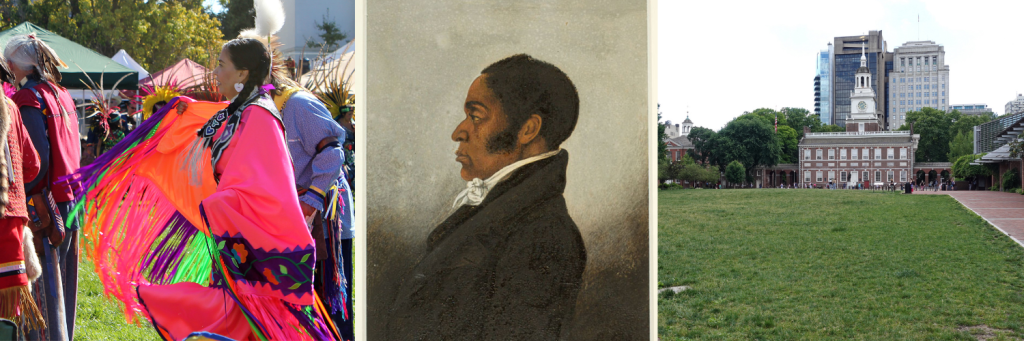
https://commons.wikimedia.org/wiki/File:CITY_HALL_PHILADELPHIA.jpg
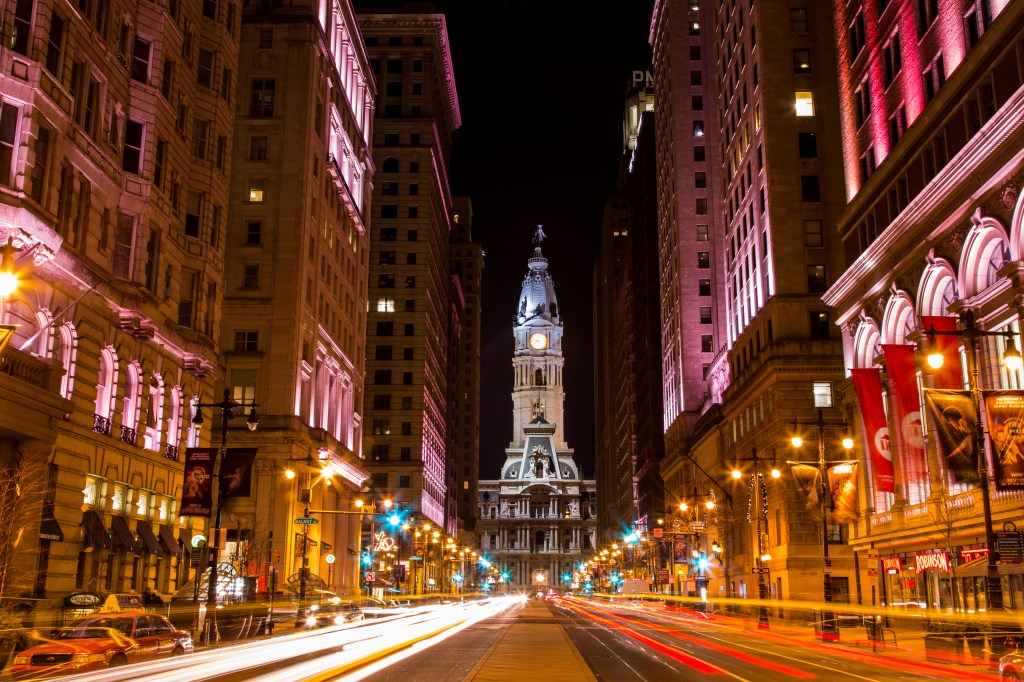
Philly at 250 for the Underserved: Past, Present and Future
On the cusp of Philadelphia celebrating 250 years of freedom from British colonialism, the city is buzzing with activity. With the 2026 World Cup games underway, the flow of tourism and commerce indicates prosperity, progress and a continued legacy for Philly as a historical landmark in the United States.
Attaining the American Dream of financial prosperity and liberty is an anchor that attracts many communities around the world to the United States. As a cheaper city, many individuals and families are migrating to Philadelphia so they can reduce living expenses and enjoy what they earn.
What does 250 years of independence mean for underserved communities, in regards to freedom, the American dream, and home ownership in Philadelphia?
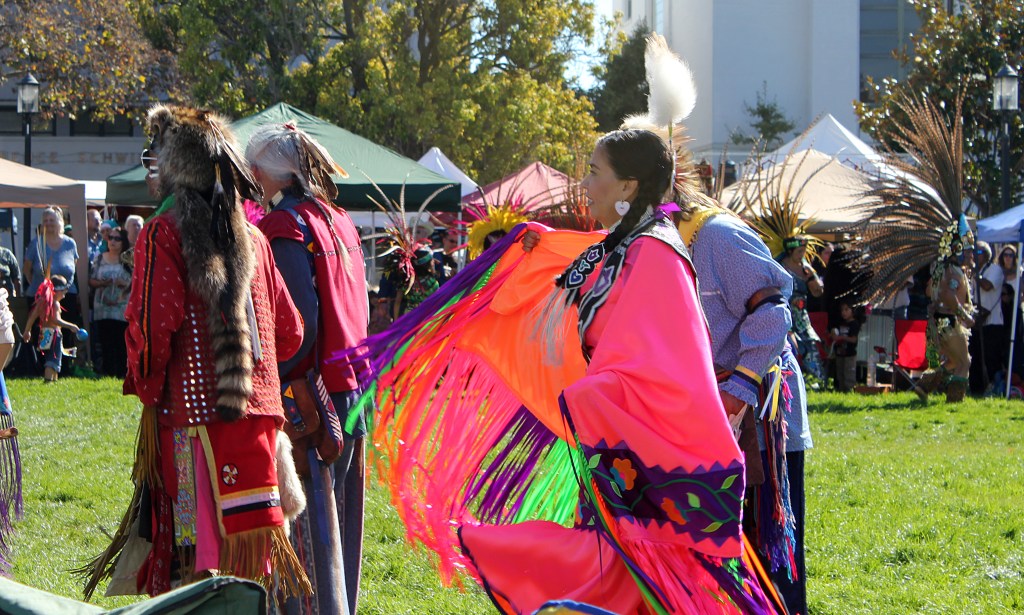
( Quinn Dombrowski from Berkeley, USA, CC BY-SA 2.0 <https://creativecommons.org/licenses/by-sa/2.0>, via Wikimedia Commons )
Originally home to the Lenni-Lenape peoples, this region became known as Philadelphia in 1680, and during its colonial period, grew to be the second largest British colonial city, next to London. Enslaved Africans were brought to Philadelphia starting in1684. Many Quakers, who later became abolitionists, purchased the enslaved, and began freeing them in the beginning of the 1700s.
Philadelphia, before its independence, was a mixed multitude of indigenous people, free Africans, enslaved Africans and European immigrants. While still a colony, Philadelphia, with the help of Quakers or ‘The Religious Society of Friends’, Benjamin Franklin and Free Blacks, had free schools that educated both enslaved and emancipated Blacks. The same year that the Declaration of Independence was signed, the ‘Religious Society of Friends’ threatened to disassociate themself with any member who would not manumit the Africans they enslaved. The Free African Society, started in 1793 by Absalom Jones and Richard Allen, provided resources for liberated Africans in Philadelphia.
Philadelphia was a state enslaved people ran to from the south while seeking freedom from slavery. Resistance fighters like William Still, Harriet Tubman, James Forten, Octavius Catto, Paul Robenson, and others lived in Philadelphia while doing their work of progressing the mental, physical, social and financial wellbeing of underserved communities. This work continues today.
( By Nick-philly – Own work, CC BY-SA 4.0, https://commons.wikimedia.org/w/index.php?curid=84393449)
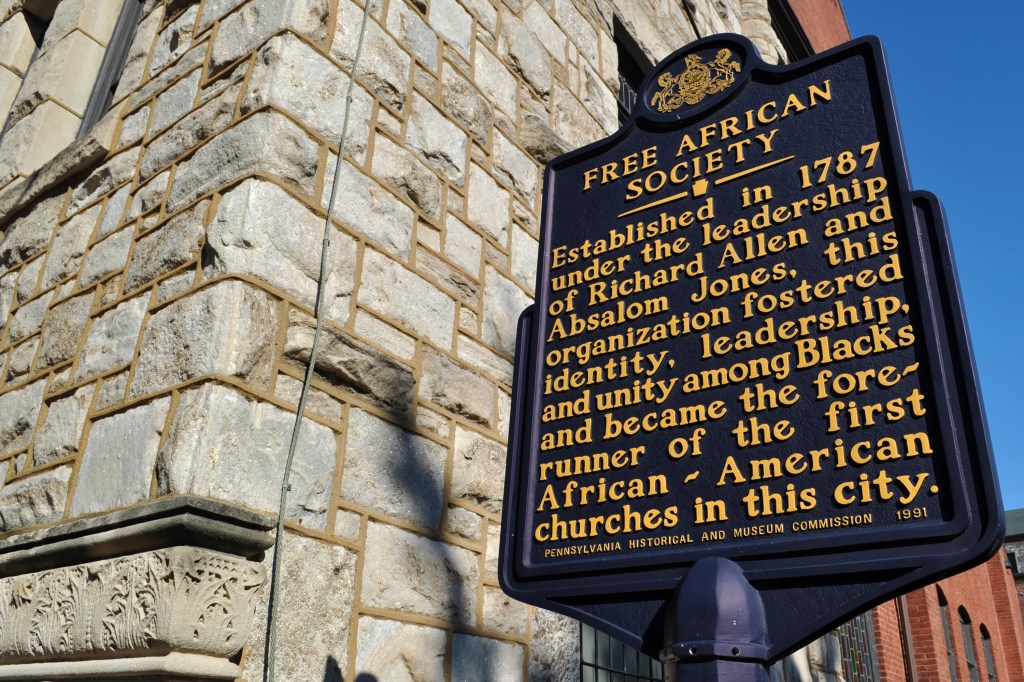
( By Nick-philly – Own work, CC BY-SA 4.0, https://commons.wikimedia.org/w/index.php?curid=84393449)
Indigenous communities continue to steward the land. This August 1st, on Indigenous People’s Day, Indigenous People’s Day Philly, INC, will host a free event at Taller Puertorriqueno in Philadelphia centered around climate control.
Philadelphia presents a paradox between freedom and bondage, and the continuing need for goodwill ambassadors, with suffering and success for various groups simultaneously evident. The struggle for financial freedom, land ownership and to simply exist for Black, Indigenous and underserved populations existed during the time of American independence, and continues today.
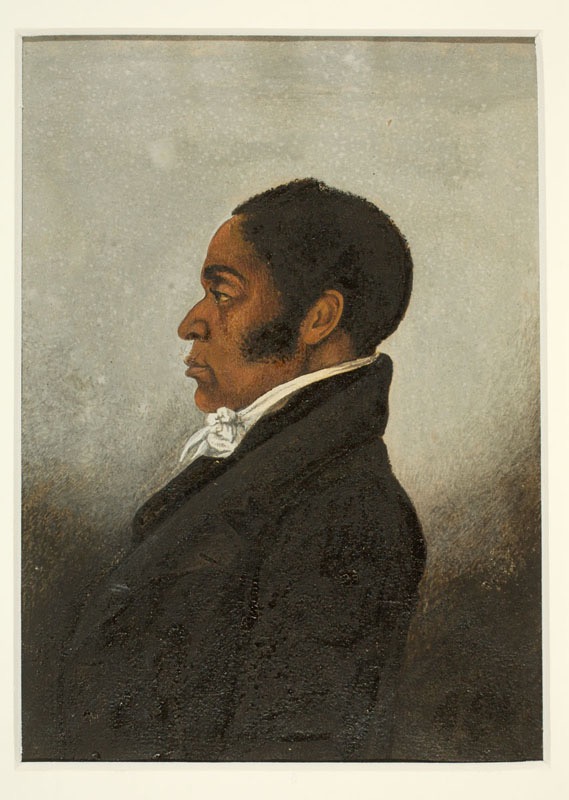
(James Forten, 1766-1842, Philadelphia abolitionist and African-American businessman, Wikimedia Commons.)
Owning land and homeownership is known to be costly, and underserved communities struggle to finance the purchase of homes and credit. Some reparation efforts, such as the Keys to Equity $15,000 grant and ESSA Bank’s $12,000 grant, have begun, designed to atone for historical injustices. Perfect Place Real Estate, a Black woman owned Philly community brokerage that educates and empowers the community through real estate, organizes stackable first time grants and workshops for qualifying home buyers. In 2020, PPRE’s broker Jennifer Bennett created the Forty Acres F.R.E.E. (Financial and Real Estate Education) Tour, to provide underserved communities with access to financial and real estate education.
Community organizations like the Urban League of Philadelphia, Southwest CDC, New Kensington CDC, HACE, the Affordable Housing Centers of Pennsylvania, Women’s Opportunity Resource Center and Congreso provide constituents with resources to help home buyers access grant programs and budgeting tools.
Resources for Indigenous communities to access homeownership include home ownership assistance of maximum $90,000: https://downpaymentresource.com/homebuyer-resource/down-payment-resource-highlights-48-native-american-homebuyer-assistance-programs-in-honor-of-native-american-heritage-month/.
Philadelphia has a number of historical sites and museums, including George Washington’s Home and the Lest We Forget Slavery Museum, and has much history that encapsulates the anguish of progress and the promise of what struggle can produce. The present now will be history for the next generation, the question is, what legacy will we leave behind?
Perfect Place Real Estate will be hosting a Philly at 250: Past, Present and Future Art Exhibit Saturday, July 29th, at 514 S 52nd Street, where we will delve into photographs from the 1800s until now, and explore the Philadelphia we are creating for future generations through our actions and decisions today.
Register here: https://www.eventbrite.com/e/philly-at-250-past-present-and-future-art-exhibit-tickets-1993043695344?aff=oddtdtcreator
If you’re looking for programming in Philly during the July 4th weekend, check out these events:
Philadelphia’s historic sites, including the 1838 Black Metropolis Tours: https://www.1838blackmetropolis.com/walking-tours
Explore Philadelphia’s Historical Native Walking Trails: https://www.visitphilly.com/articles/philadelphia/indigenous-philadelphia/#st-peters-lutheran-church.
Check out Philly’s free museum days: https://www.visitphilly.com/articles/philadelphia/free-museum-days-philadelphia-attractions-wawa-welcome-america/
Learn about the history and culture of indigenous communities: https://www.visitphilly.com/articles/philadelphia/indigenous-philadelphia/#public-art
Other Philly events: https://www.visitphilly.com/2026-philadelphia/
Sources:
https://www.pew.org/en/research-and-analysis/reports/2026/04/philadelphia-2026
https://www.visitphilly.com/articles/philadelphia/indigenous-philadelphia/#public-art


